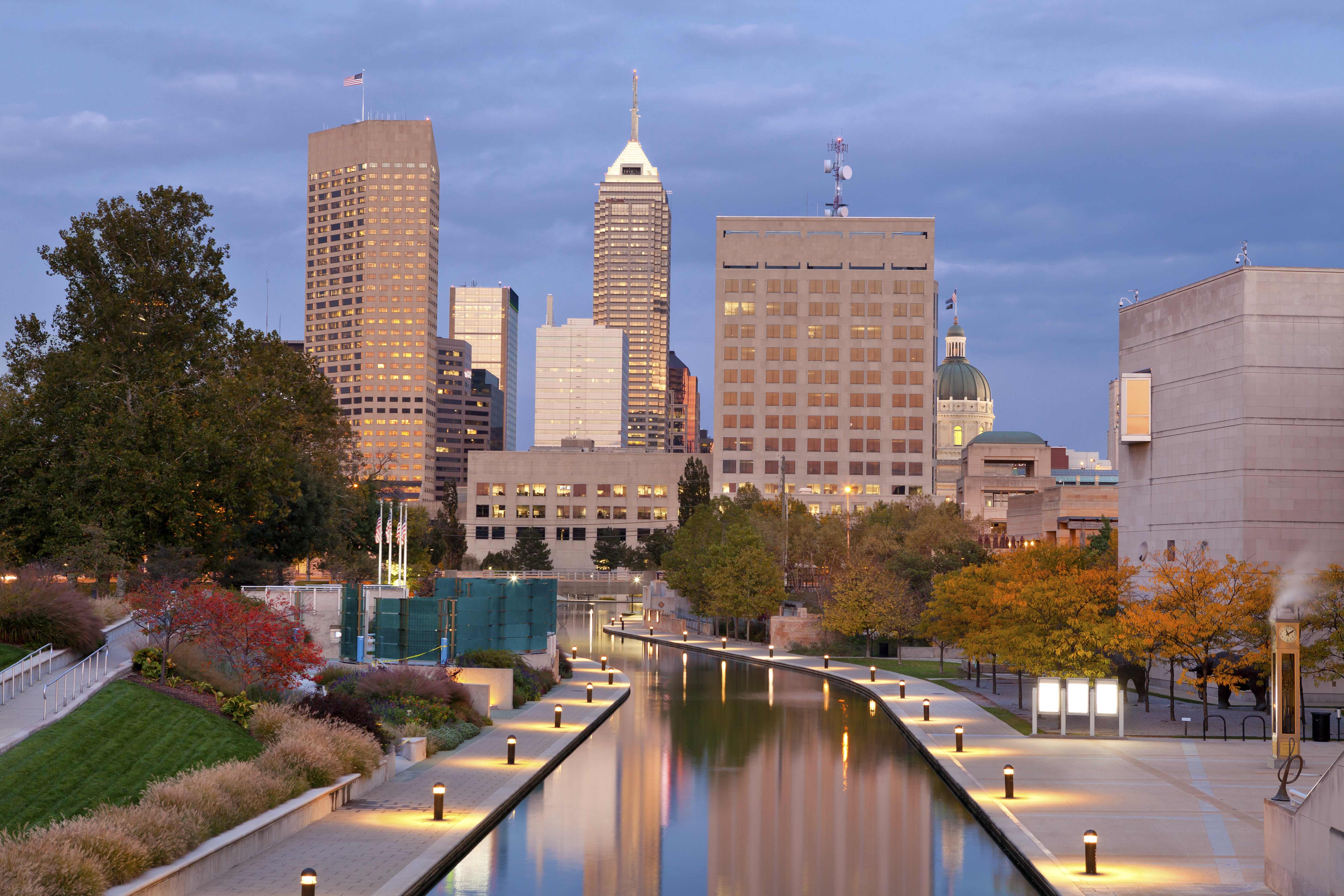
Indianapolis, Indiana, has emerged as one of the Midwest's strongest residential real estate investment markets, offering rental property owners a rare combination of affordability, economic growth, stable rental demand, and landlord-friendly regulations. For investors seeking long-term cash flow and portfolio growth, Indianapolis continues to stand out as an attractive alternative to higher-cost coastal cities.
The Indianapolis Rental Market at a Glance
Before diving into what makes this market work, it helps to understand the scale of what we're talking about. Indianapolis has an estimated population of 891,484 as of 2024, making it one of the larger cities in the Midwest. Roughly 44% of housing units are renter-occupied — a significant share that reflects sustained, broad-based demand for rental housing across the metro. The median gross rent sits at $1,156 (2020–2024 ACS), a figure that continues to attract investors who recognize the value of a market where rents remain competitive without sacrificing returns.
Affordability That Supports Strong Returns
One of the biggest advantages of investing in Indianapolis real estate is affordability. The median value of owner-occupied homes is $224,800 — well below national averages — which allows investors to purchase single-family rentals and small multifamily properties at price points that support positive cash flow. Lower acquisition costs, combined with reasonable property taxes and steady rental demand, create opportunities for strong rental yields and sustainable returns.
A Diverse, Growing Local Economy
The Indianapolis rental market is supported by a diverse and resilient local economy. The Indianapolis-Carmel-Greenwood metro area employs approximately 1.17 million nonfarm workers as of April 2026, according to the U.S. Bureau of Labor Statistics. The workforce spans a broad mix of sectors, with trade, transportation, and utilities leading at around 238,500 jobs, followed by education and health services at 194,000 and professional and business services at 180,600. That diversification matters for landlords — it means the local job base isn't dependent on any single industry. The regional unemployment rate stands at 3.3%, reflecting a healthy labor market that continues to draw and retain residents. The city is home to major employers such as Eli Lilly, Salesforce, IU Health, and Elevance Health (formerly Anthem), which continue to drive job creation and population growth throughout the metro area. Indianapolis also serves as a major national transportation and logistics hub due to its central location, helping maintain consistent employment and attracting new residents year after year.
Strong Rental Demand Across Indianapolis Neighborhoods
Population growth and household formation trends continue to strengthen demand for rental housing in Indianapolis. Many residents are renting longer because of lifestyle preferences, rising homeownership costs, and workforce mobility. This has created sustained demand for quality rental properties across a wide range of neighborhoods. Areas such as Broad Ripple, Fountain Square, Irvington, Downtown Indianapolis, and the near-east and near-west sides have experienced ongoing revitalization, attracting renters who value walkability, local culture, affordability, and convenient access to downtown amenities.
A Landlord-Friendly Regulatory Environment
Indiana's landlord-friendly laws are another key reason investors are drawn to the Indianapolis housing market. The state offers clear eviction procedures, no statewide rent control policies, and straightforward property regulations that help owners operate rental properties more efficiently. For real estate investors focused on long-term portfolio stability, this predictable regulatory environment can help reduce operational risk and simplify property management.
Quality of Life Driving Continued Demand
Quality of life also plays an important role in supporting Indianapolis rental demand. The city features professional sports, expanding entertainment districts, a growing restaurant scene, extensive parks and trails, and continued downtown development. Ongoing infrastructure investments and neighborhood redevelopment projects continue to improve livability and increase property values throughout the metro area.
For real estate investors and residential property owners looking for a market that combines affordability, strong rental demand, economic stability, and appreciation potential, Indianapolis remains one of the most promising cities in the Midwest. With the right property selection and professional management strategy, investors can benefit from reliable rental income, long-term tenant demand, and future growth opportunities in the Indianapolis real estate market.